Table of Contents
- Introduction
- A Historical Perspective of Wrestling
- The Dawn of the Era of Contemporary Professional Wrestling
- Wrestling Leads the Charge for Inclusiveness
- Final Thoughts
Introduction
Wrestling has existed for thousands of years and became an earlier form of athletic competition. Historical changes and the passion of wrestling fans have helped transition it to the modern day professional wrestling business. A significant change from the old days of wrestling, when it was viewed as a “physical contest” between two athletes, was made by visionaries like Vince McMahon, who, along with others, changed the business model for professional wrestling by incorporating elements of drama and storytelling. Additionally, the changes in the audience’s perspective and interaction with them have created a new type of sport entertainment.
Rather than testing the strength and skill of the participants, as was the case in the past, wrestling has evolved into a multi-faceted entertainment experience that includes all of the previously mentioned elements of drama, character and production as much as the athletes’ abilities.
A Historical Perspective of Wrestling
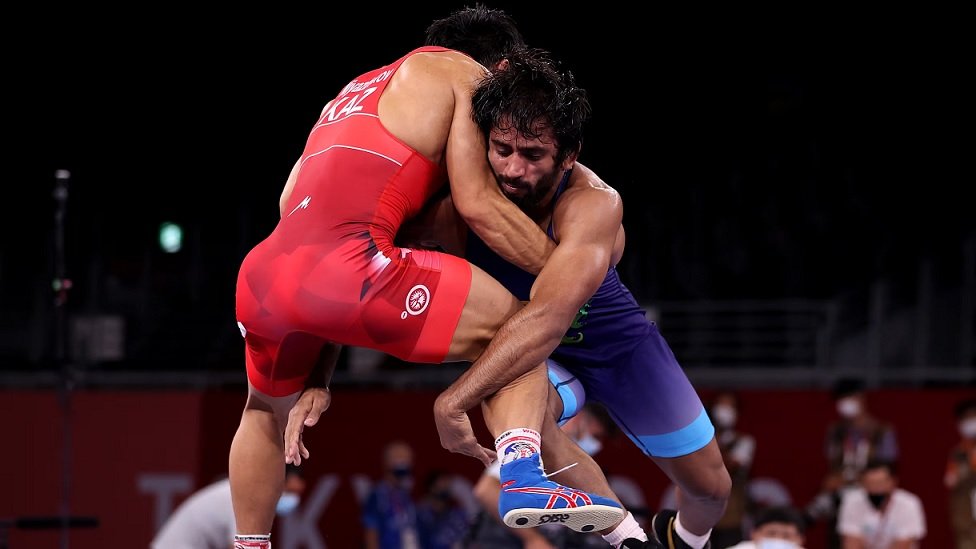
Wrestling can be found on cave drawings unearthed dating back about 6,000 years ago in Europe, making it one of the oldest sports in the world. One of the first known sporting events in the world occurred during ancient Greek Olympic Games; however, cave drawings were produced much earlier showing two individuals grappling (wrestling) with one another on stone walls found in several cave locations throughout Europe.
Over thousands of years, many unique techniques have developed based on changes and developments in societies as well as the growth of populations and cultures. The foundational aspects of wrestling continue to form an integral part of all forms of professional and amateur wrestling around the world today.
The global marketing of wrestling has directly contributed to the evolution of countless other sports. Therefore, rules/procedures associated with the sport, wrestler presentation and terminology related to the sport all stem from the rich and diverse history of wrestling. As such, modern commercial sports entertainment would likely not exist without many of the elements associated with the foundation of wrestling.
The Dawn of the Era of Contemporary Professional Wrestling
The last few decades of the 20th century marked a turning point in professional wrestling. In the late 1980s and early 1990s, major wrestling promotions, particularly WWE (WWF), began to promote wrestling as a major event and develop wrestlers as characters in addition to putting on championship matches. This created a competitive environment between WWE and World Championship Wrestling (WCW) during the 1990s, producing drama and excitement for thousands of millions of viewers every week and creating significant media coverage for both companies in the mainstream media.
As much as wrestling has provided entertainment to its fans, the evolution of professional wrestling into a televised spectacle has greatly affected how fans perceive and consume live sporting events. Fans began expecting to see a blend of athleticism with a storyline, which attracted fans who were not typically interested in watching traditional sporting events, thus increasing wrestling’s fan base and cultural reach.
Professional wrestling has continued to take advantage of technology to create more opportunities for fans to connect with their favourite wrestlers. Companies now provide live streaming of events worldwide and provide a platform for fans to connect with their favourite wrestlers using social media. Professional wrestling companies also have begun creating original content for subscribers who watch their events online. By allowing fans to interact directly with the wrestling promotion they support, fans can engage during live events, provide feedback, and participate in polls or tweets using hashtags specific to that event.
Wrestling Leads the Charge for Inclusiveness
Through promoting the development of girls’ and women’s wrestling programs at the high school and college levels, Wrestling has taken the lead on how to break down barriers related to participation in sport.
The establishment of a culture of inclusiveness within the wrestling industry is a long-term process that will grow over time and enable gender-inclusive practices in the sport. As discussed in a recent article from Wrestling Attitude, where they highlighted wrestling as being an inclusive sport, the Wrestling industry has put forth an enormous amount of effort to create an inclusive culture where Athletes from different backgrounds feel represented and their contributions supported at both professional and amateur levels. The recent emergence of many new promotions has led to the introduction of additional showcases of talent that feature individuals from diverse backgrounds and experiences. As the Wrestling industry continues to experience the promotion of inclusivity, it becomes imperative that the storylines reflect larger societal movements toward equity and the acceptance of all people, regardless of race, ethnicity, or gender identity.
Final Thoughts
How professional wrestling has been an important and ongoing component in developing access for millions of people today to sport, through its ability to create immersive storytelling, is an example of how this form of entertainment will continue to impact sport entertainment. In addition to this, professional wrestling has also established a high-visibility standard for how to present events and will continue its commitment to the promotion of inclusivity by ensuring that diverse communities are represented in the sport; therefore, future generations will utilize professional wrestling as an example of how to create a more interactive digital platform for the consumption of sport.